
Identity Theft and Medical Billing Fraud in Healthcare Data Abuse Cases
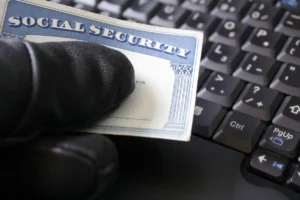 The healthcare industry possesses some of the most valuable personal information available to criminals. Medical records often contain names, dates of birth, Social Security numbers, insurance information, treatment histories, and financial data that can be exploited for a variety of illegal purposes. As healthcare systems have become increasingly digitized, federal and state authorities have devoted substantial resources to investigating healthcare data abuse, identity theft, and medical billing fraud.
These investigations frequently involve allegations that stolen patient information was used to submit fraudulent healthcare claims, obtain medical services, bill government healthcare programs, or facilitate larger fraud schemes. Because healthcare fraud enforcement often intersects with cybersecurity, privacy regulations, and financial crime investigations, providers, executives, billing professionals, and healthcare organizations can face significant legal exposure.
At The Law Offices of Stanley L. Friedman in Beverly Hills, we represent healthcare professionals, medical businesses, executives, and individuals facing healthcare fraud prosecutions throughout Los Angeles and beyond. Understanding how identity theft and medical billing fraud allegations arise is critical for anyone operating in today’s highly regulated healthcare environment.
The Growing Problem of Healthcare Data Abuse
Healthcare data has become a prime target for criminal activity. Unlike credit card information, which can often be canceled quickly, medical and insurance information tend to remain valuable for extended periods. Stolen healthcare data can be used to create false patient accounts, obtain medical equipment, submit fraudulent claims, or facilitate identity theft schemes involving federal healthcare programs.
As electronic health records and cloud-based systems have expanded, opportunities for unauthorized access have increased. Cybercriminals, dishonest insiders, and organized fraud networks may seek to exploit vulnerabilities in healthcare systems to obtain patient information. Federal investigators have responded by increasing enforcement efforts aimed at protecting patient data and identifying healthcare fraud schemes fueled by stolen information.
How Identity Theft Leads to Medical Billing Fraud
Identity theft and medical billing fraud are often closely connected. In many cases, investigators allege that stolen beneficiary information was used to generate false claims submitted to Medicare, Medicaid, or private insurers. For example, a fraud scheme may involve using a patient’s identifying information to bill for services that were never provided. In other cases, stolen identities may be used to obtain durable medical equipment, prescription medications, diagnostic testing, or telehealth services.
Investigators frequently focus on whether the healthcare provider knew—or should have known—that claims were based on fraudulent information. As a result, individuals and organizations can become targets even when they were not directly involved in the original theft of patient data.
Common Medical Billing Fraud Allegations in Los Angeles
Medical billing fraud investigations involving identity theft can take many forms. Prosecutors often allege that claims were submitted using patient information without authorization or that providers knowingly billed for services associated with fictitious patients. Another common allegation involves the manipulation of billing records to maximize reimbursement. Authorities may contend that patient identities were used repeatedly to support claims for unnecessary services, duplicate billing, or services that were never rendered. Some investigations focus on insiders who allegedly misuse their access to healthcare systems. Employees with access to patient records may be accused of selling information, creating false records, or assisting outside parties in carrying out fraudulent billing schemes. Because healthcare data is frequently linked to federal reimbursement programs, these allegations often trigger both healthcare fraud and identity theft investigations.
Federal Laws Commonly Used in Healthcare Data Abuse Cases
Identity theft and medical billing fraud cases frequently involve multiple federal statutes. Prosecutors may pursue charges related to healthcare fraud, wire fraud, mail fraud, conspiracy, and identity theft. Cases involving government healthcare programs may also trigger False Claims Act liability. Under the False Claims Act, the government can seek substantial financial penalties for allegedly false claims submitted for reimbursement. The statute even empowers private individuals to pursue lawsuits on the government’s behalf and share in any financial recovery they obtain.
In particularly serious cases, prosecutors may pursue aggravated identity theft charges, which carry mandatory penalties separate from underlying fraud offenses. As a result, healthcare data abuse investigations can expose individuals and organizations to significant civil and criminal consequences.
The Role of Cybersecurity and Internal Controls
Many healthcare fraud investigations now include a cybersecurity component. Regulators and investigators increasingly examine whether healthcare organizations maintained reasonable safeguards to protect patient information. Weak access controls, inadequate employee training, poor password management, and failures to monitor system activity can all become issues during an investigation. While a data breach alone does not establish fraud, investigators may scrutinize whether organizational failures contributed to the misuse of patient information. Healthcare organizations that implement strong compliance programs, security protocols, and auditing procedures are often better positioned to identify suspicious activity before it develops into a larger problem.
How L.A. Healthcare Providers Become Targets
Not every healthcare data abuse investigation involves intentional misconduct by a provider. In some situations, providers become targets because investigators believe they ignored warning signs, failed to verify patient information, or benefited from questionable billing practices.
Whistleblower complaints also play a significant role. Current and former employees may report concerns about billing procedures, access to patient records, or suspected misuse of healthcare data. These reports can trigger audits, subpoenas, and extensive government investigations.
Data analytics has further expanded enforcement efforts. Federal agencies routinely analyze billing patterns and beneficiary information to identify anomalies that may suggest identity theft or fraudulent claims activity.
Defense Considerations in Healthcare Data Abuse Cases
Defending against allegations involving identity theft and medical billing fraud in Los Angeles requires a comprehensive review of the facts and circumstances surrounding the investigation. Many cases hinge on questions of knowledge, intent, and responsibility.
Defense counsel may examine whether the accused individual actually knew that patient information was being misused or whether adequate safeguards were in place to prevent fraud. In cases involving complex billing systems, it may be necessary to challenge assumptions about who was responsible for particular claims or records.
Another important consideration involves the government’s evidence. Healthcare data investigations often rely on electronic records, communications, and large volumes of billing information. A careful review may reveal inaccuracies, incomplete information, or alternative explanations for suspicious activity.
Because these investigations frequently involve overlapping civil, criminal, and regulatory issues, early legal representation is critical. Prompt action can help preserve evidence, protect legal rights, and position the case for a favorable resolution.
Frequently Asked Questions About Identity Theft and Medical Billing Fraud
What is medical identity theft?
Medical identity theft occurs when someone uses another person’s healthcare or insurance information without authorization to obtain medical services, prescription medications, or insurance benefits.
Can healthcare providers be charged with fraud if patient information was stolen by someone else?
Potentially. Investigators may examine whether providers knowingly participated in fraudulent activity or failed to address obvious warning signs associated with improper billing.
What are common signs of medical billing fraud from a law enforcement perspective?
Common indicators include billing for services not received, duplicate claims, use of incorrect patient information, unexplained charges, and unusually high claim activity.
Can a data breach lead to a healthcare fraud investigation?
Yes. A data breach may trigger investigations into how patient information was obtained, whether it was misused, and whether fraudulent healthcare claims resulted from the incident.
What should I do if I am contacted by investigators about healthcare data abuse?
You should contact experienced healthcare fraud defense counsel immediately. Early legal guidance can help protect your rights and ensure an appropriate response to investigators.
Contact The Law Offices of Stanley L. Friedman in Beverly Hills
Allegations involving identity theft, healthcare data abuse, and medical billing fraud can threaten your professional reputation, business operations, financial stability, and freedom. These investigations are often complex and require a strategic defense that addresses both healthcare regulations and white-collar criminal law.
The Law Offices of Stanley L. Friedman in Beverly Hills represents healthcare providers, executives, billing professionals, and organizations facing healthcare fraud investigations throughout Los Angeles and beyond. If you are facing an audit, subpoena, government investigation, or criminal allegations involving healthcare data or billing practices, contact The Law Offices of Stanley L. Friedman today to discuss your case and begin building a strong defense.
